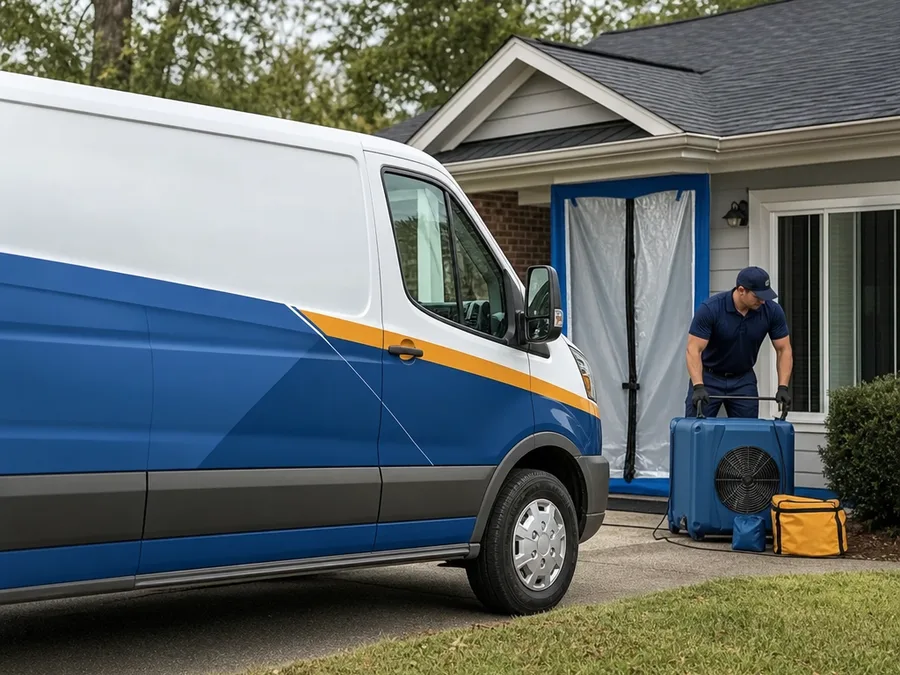
Technician in a Charlotte home setting up commercial dehumidifiers and air movers after a water loss, with moisture meter in hand

Water mitigation in Charlotte, North Carolina

Water Mitigation Charlotte NC

When water gets in, time matters. Our local crew responds fast to stop the spread, extract water, dry the structure, and document the job so you can move forward with clear next steps.

✓Source control ✓Measured drying ✓Moisture monitoring ✓Written documentation

Immediate damage control

Fast water mitigation that protects your property

If you are searching for water mitigation Charlotte NC, you are usually dealing with a leak, overflow, or storm water that is actively damaging floors, drywall, and contents. The goal of mitigation is simple: control the damage now, so the repair scope stays smaller later. Mitigation limits the damage early; where growth has already started, see our Charlotte mold removal page.

Our water mitigation work focuses on immediate stabilization: stopping the source when possible, extracting standing water, setting proper drying conditions, and monitoring moisture until building materials reach safe targets. In Charlotte, humid air can slow drying if it is not managed correctly, so we put a lot of attention into containment, airflow, and dehumidification strategy.

You will get a clear plan at the start, plus documentation along the way—readings, photos, and daily notes as needed. If your situation also raises concerns about microbial growth, our team at Charlotte Mold Removal can explain what is normal after a water event and what warrants a closer look.

Call Now 980-249-9349

Cleanup, drying, and documentation

What our water mitigation service includes

Water source control and safety checks

We start by identifying the category of water and immediate safety concerns, including electricity, slip hazards, and affected HVAC returns. If the source is still active, we help you isolate it so drying can actually work.

Water extraction for floors and subfloors

Standing water and trapped moisture under flooring drive most secondary damage. We use truck-mounted or high-performance portable extraction, plus specialty tools for edges, seams, and padding when applicable.

Structural drying with measured targets

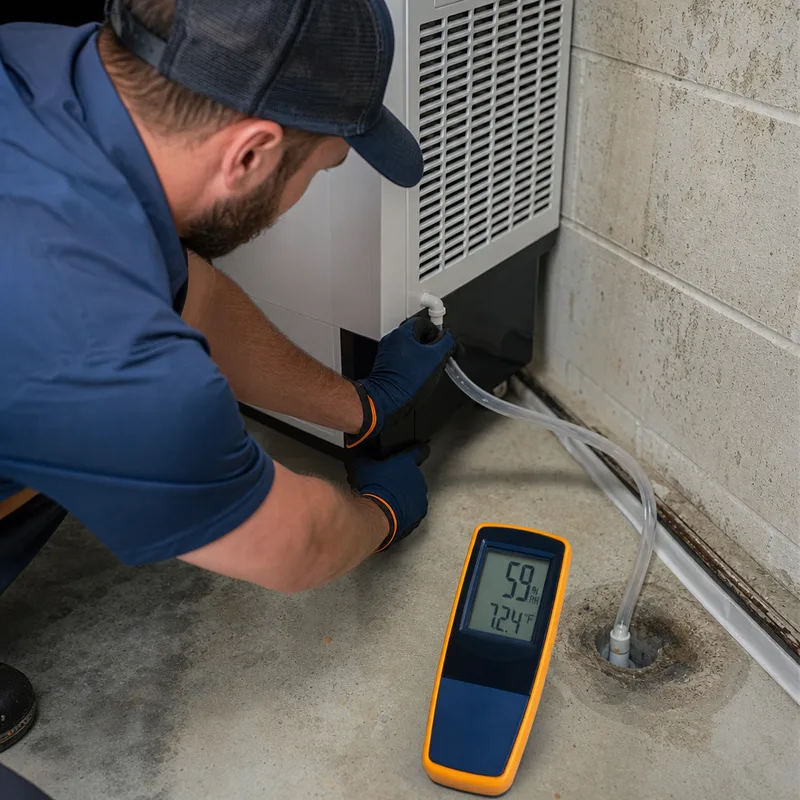
Drying is not guesswork. We use air movers and commercial dehumidifiers sized to the loss, then verify progress with moisture meters and hygrometers until materials reach appropriate dry standards.

Selective removal when materials cannot be saved

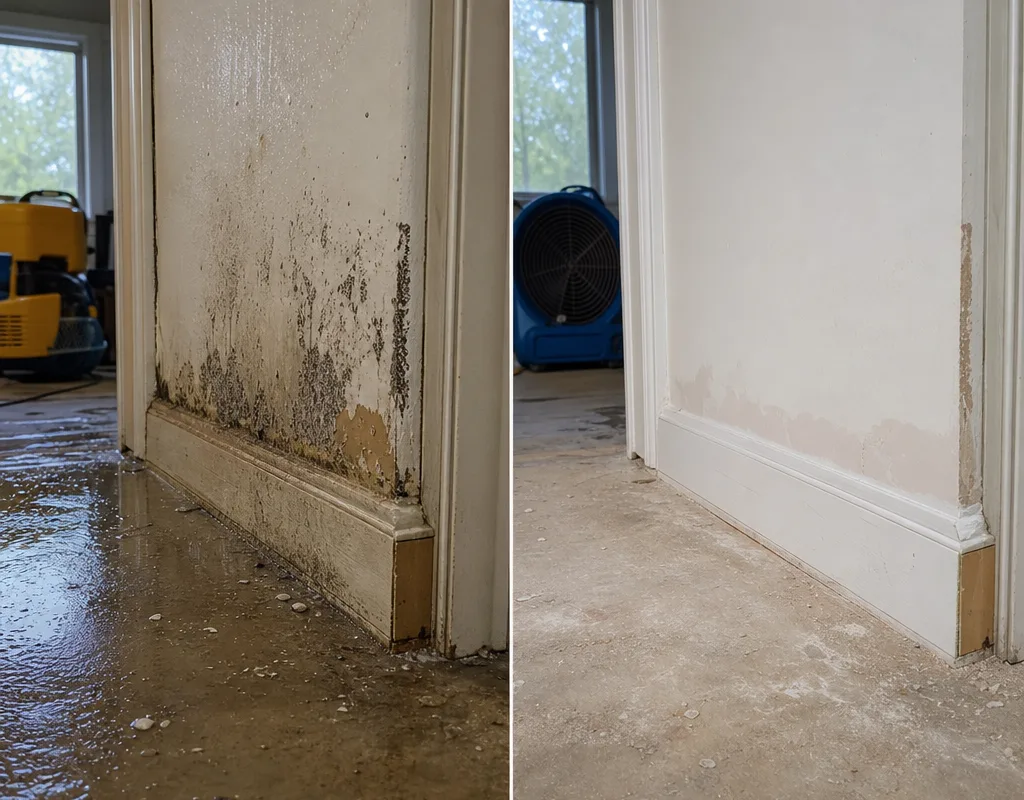
Some materials, including swollen baseboards, saturated insulation, and delaminated drywall, may need controlled removal to prevent trapped moisture. We keep removal limited to what is necessary for access and proper drying.

Containment and dust control

When demolition is needed, we set up basic containment and protect unaffected areas. That matters in occupied homes, condos, and active commercial spaces around Uptown.

Documentation for your records

You receive a written scope and job notes matching what was found on site, what equipment was installed, and what readings showed during monitoring. This is helpful for property managers and insurance claims.

Call Now 980-249-9349

Moisture-guided drying

How water mitigation works in Charlotte homes and buildings

Every loss is different, but the building science is consistent. Water moves fast through porous materials, and it wicks into drywall, framing, and subfloors. The mitigation plan needs to match where the moisture actually is, not just where it is visible.

In areas like Dilworth and Plaza Midwood, you will often see a mix of older and renovated properties where layers of new flooring and trim can hide moisture. In South End, condos and multi-family buildings add a coordination step: shared walls, units below, and building rules about equipment placement and access. Around University City and Ballantyne, larger footprints and attached garages sometimes mean longer moisture pathways through slab edges, utility rooms, and adjacent storage spaces.

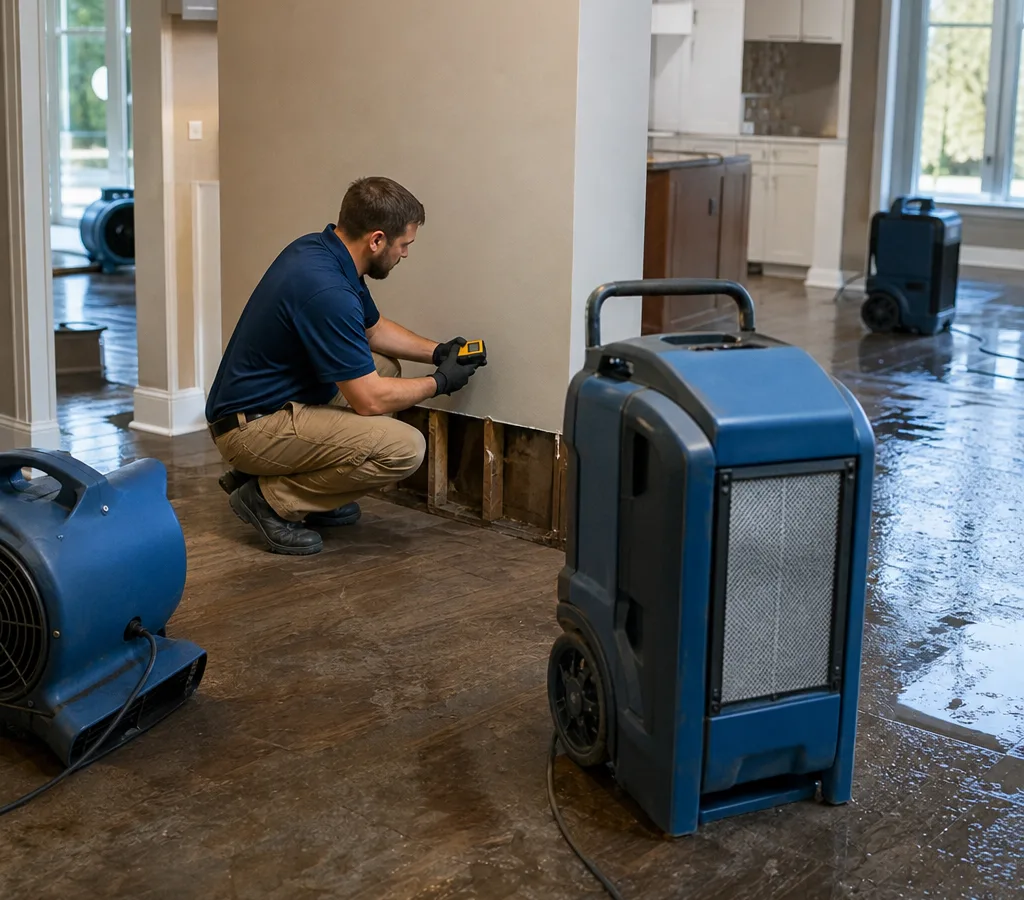
We map moisture with non-invasive meters first, then confirm with pin meters where appropriate. Drying plans typically combine:

  • ✓Air movement to evaporate moisture from surfaces.
  • ✓Dehumidification to remove that moisture from the air.
  • ✓Temperature and pressure management to keep conditions stable.

If a situation looks like it could become a mold problem, mitigation should address the cause and drying first. If growth is already visible or suspected inside wall cavities, that becomes a separate scope, and our mold remediation service in Charlotte can be coordinated after the site is stabilized.
Call Now 980-249-9349
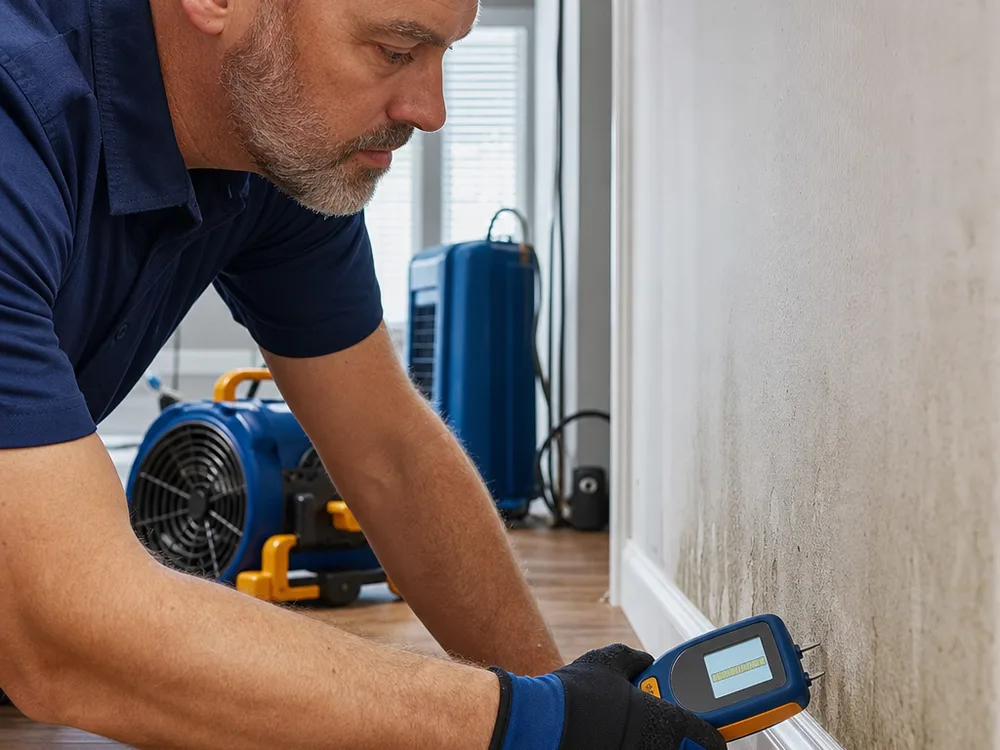
Close-up of a moisture meter reading on baseboard and drywall with drying equipment running in the background in a Charlotte residential interior

Inspection through verification

Our water mitigation process

Call Now 980-249-9349
01

On-site inspection and moisture mapping

We identify the water source and affected materials, then take baseline readings. You will know what rooms and assemblies are impacted before equipment is placed.

02

Water extraction and controlled removal (if needed)

We remove standing water first, then address saturated materials that block drying. The aim is to keep demolition limited and purposeful.

03

Drying setup and daily monitoring

We install air movers, dehumidifiers, and specialty drying tools as needed. Moisture readings are tracked to confirm progress and adjust equipment placement.

04

Dry standard verification and next-step plan

When materials reach acceptable moisture levels, we remove equipment and provide a summary of what was done and what comes next, including repairs, rebuild coordination, or additional evaluation if something unexpected appears.

Pricing factors

How Much Does Water Mitigation Cost in Charlotte?

Water mitigation in Charlotte typically ranges from about $900 to $4,500+ for many residential losses, depending on how far the water spread and how long it sat. A small, contained leak with minimal equipment can land at the low end, while multi-room drying, flooring removal, or specialty drying, such as wall cavity or subfloor drying, pushes costs higher.

Final price changes with square footage affected, category of water—clean versus contaminated—accessibility, how much material must be removed to dry correctly, and how many days of monitoring are required. The exact cost is confirmed after an on-site inspection and moisture readings.

Call Now 980-249-9349

Field drying and extraction

What water mitigation looks like on the job

Technician extracting water from a carpeted residential floor with furniture protected and moved to a dry area
Dehumidifier drain line routed to a safe discharge point with humidity and temperature readings visible on a meter
Before-and-after view of a wet stained baseboard and drywall area stabilized and prepared for repair
Call Now 980-249-9349

Answers before drying begins

Water mitigation FAQs for Charlotte property owners

How fast should water mitigation start after a leak or flood?+

Water mitigation should start as soon as it is safe to enter and the source is controlled, ideally the same day. The longer moisture stays in carpet, drywall, and subfloors, the more it spreads by wicking and the more likely you are to need removal of materials instead of drying them in place.

Do you handle water mitigation in condos and multi-family buildings around Uptown and South End?+

Yes, water mitigation in condos and multi-family buildings is common, and it usually requires extra coordination for access, shared walls, and units below. We document affected areas and drying conditions so property managers and neighbors have a clear record of what is being done and why.

Will you need to remove drywall and flooring for water mitigation?+

Not always, but removal is sometimes necessary when wet materials block airflow or trap moisture in cavities. We use moisture mapping to decide what can be dried and what needs selective opening, then keep demolition limited to what supports proper drying and verification.

How long does the drying process usually take in Charlotte's humid conditions?+

Many projects dry in about 3 to 5 days, but timelines depend on material type, how saturated it is, and how well the space can be controlled. Charlotte humidity can slow evaporation if dehumidification is undersized, so we size equipment to the loss and adjust based on daily moisture readings.

Can you help if the water damage might lead to mold?+

Yes. The best mold prevention step is prompt extraction and controlled structural drying with verified moisture reduction. If there is visible growth, a musty odor that persists after drying, or suspected impact inside cavities, we can discuss next steps, including an evaluation and, when appropriate, coordination with mold testing in Charlotte.

Do you work with insurance for water mitigation claims?+

Yes, we can provide the documentation that insurance adjusters commonly request, including photos, notes, equipment logs, and moisture readings. Coverage varies by policy and cause of loss, so we focus on making the work clear and well-supported for your records.

If water is spreading or materials feel damp, getting a drying plan in place quickly can limit how much has to be removed and rebuilt. Tell us what happened and what areas are affected, and we will outline the next steps and what to expect on site.

Call Now 980-249-9349

Need water mitigation in Charlotte today?

Get a written scope, moisture readings, and a clear drying plan from Charlotte Mold Removal so you can protect the property now and make repair decisions with confidence.