Moisture mapping, not guessing
We use moisture meters and targeted checks to find where water traveled, including behind baseboards, under flooring, and at wall bottoms where wicking is common.
Serving Charlotte, North Carolina & surrounding areas
24/7 Emergency Response
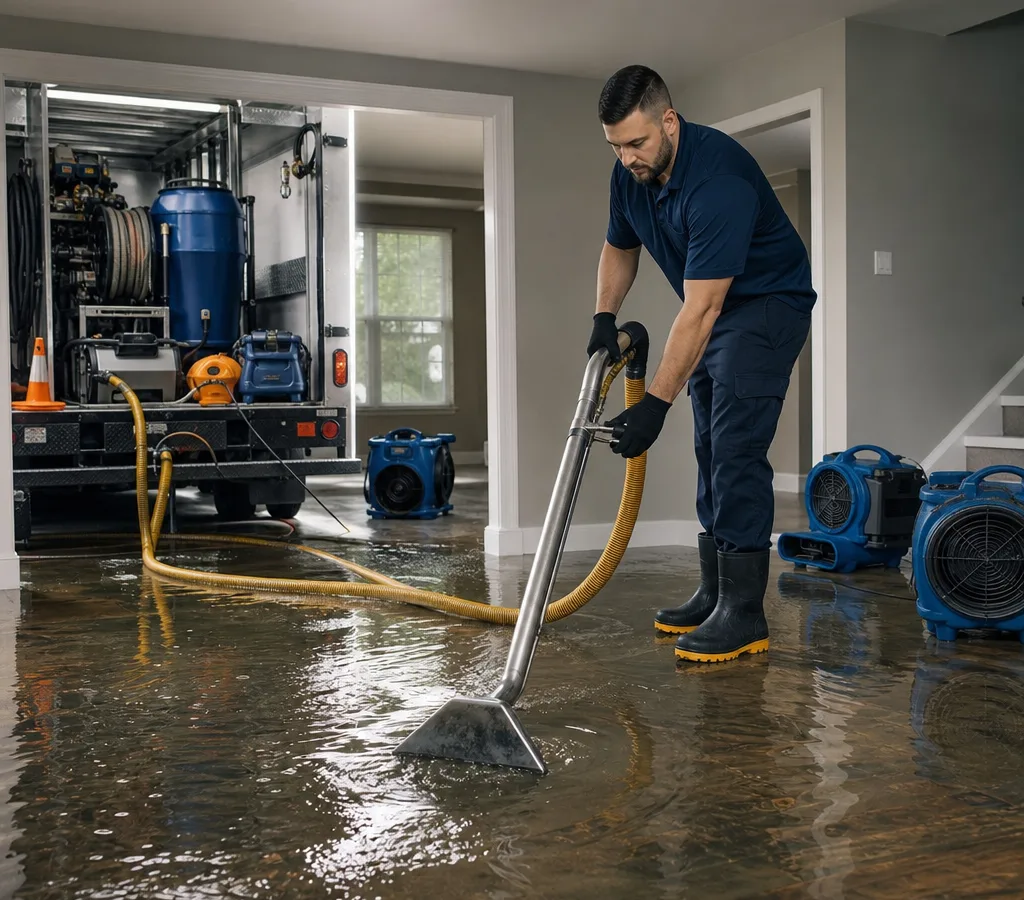
Water damage cleanup in Charlotte, North Carolina
Fast response for leaks, floods, and storm water. We remove water, dry the structure, and document the damage so you can protect your home and make smart next steps.
Stop the spread and stabilize the structure
If you are searching for water damage cleanup Charlotte homeowners can rely on, the priority is simple: stop the spread, remove the water, dry what can be saved, and document what cannot. Cleanup done quickly is the cheapest way to avoid needing mold removal in Charlotte later.
Water moves quickly through drywall, baseboards, and flooring, and it can wick up into insulation and framing. The longer it sits, the more it breaks down materials and the harder it is to restore the space. Our team focuses on practical, jobsite-ready cleanup: water extraction, controlled drying, dehumidification, and clear communication about what needs to be opened up to dry correctly.
Charlotte Mold Removal provides water damage cleanup Charlotte NC property owners use when a pipe bursts, an appliance leaks, a water heater fails, a roof leak shows up after a storm, or a basement and crawl space take on water. We work in occupied homes, rentals, and commercial spaces. The goal is to return the structure to a dry, stable condition so repairs can move forward without hidden moisture.
Common warning signs after water intrusion include soft drywall, swelling at baseboards, cupped wood flooring, damp carpet padding, and a musty odor that returns after you run the HVAC. If any of those are present, cleanup needs more than towels and a shop vac. It needs moisture mapping and drying equipment placed with intent.
Professional dry-out support
We use moisture meters and targeted checks to find where water traveled, including behind baseboards, under flooring, and at wall bottoms where wicking is common.
High-volume extraction removes the bulk water first, then air movers and dehumidifiers handle the remaining moisture so materials dry evenly.
We protect unaffected areas with simple barriers and careful equipment placement so your home stays usable while drying is underway.
You receive a written scope, photos, and drying notes that help when you are coordinating repairs or submitting an insurance claim.
Some materials cannot be dried back to a safe condition. We explain what is salvageable and what typically needs controlled removal.
When water is active, timing matters. We prioritize urgent situations like active supply-line leaks and significant standing water.
Extraction before structural drying
Effective water damage cleanup in Charlotte usually follows a tight sequence.
First, we help you stabilize the situation: shut off the water source if it is a plumbing failure and identify immediate safety issues. In older homes, wet materials near electrical outlets or light fixtures can be a real hazard. If the leak is ongoing, cleanup cannot start until the source is controlled.
Next comes water extraction. Removing as much liquid water as possible is the fastest way to shorten drying time. After extraction, we do moisture mapping to identify wet building cavities, wall bottoms, subfloors, and hidden pockets under cabinets or behind appliances.
Then we set drying equipment based on the room volume and the materials involved: air movers to create evaporation at wet surfaces, and dehumidifiers to pull moisture out of the air so evaporation keeps moving. We monitor progress and adjust placement as readings change.
When water has affected drywall, insulation, or baseboards, controlled removal may be needed to let the structure dry fully. That is especially common around kitchens, laundry rooms, and bathrooms where water can travel under flooring and into wall plates.
After drying reaches stable moisture levels, we can help you plan the next step. Many property owners address odor or microbial risk concerns after a water event; if that is part of your situation, our mold removal services in Charlotte are available as a separate, targeted step after cleanup and dry-out.
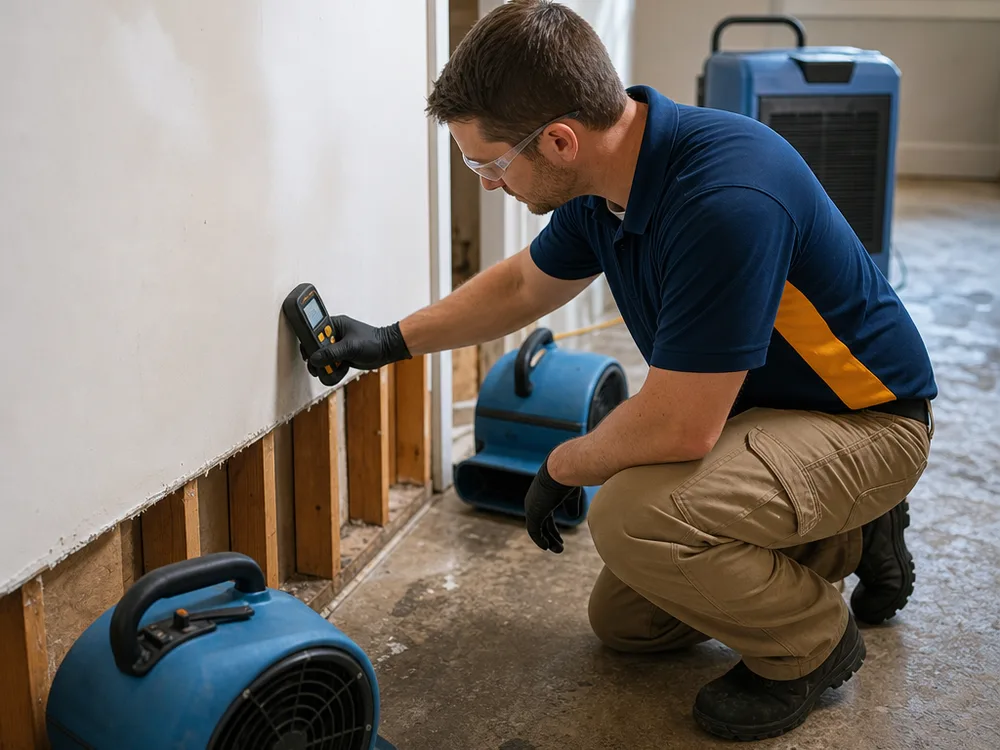
We identify the source type (clean water, gray water, or sewage), note affected materials, and flag any electrical or slip hazards before equipment is placed.
Standing water is removed first. Saturated carpet padding and porous debris are handled according to condition and contamination level.
We check likely pathways such as wall bottoms, transitions between rooms, and under floating floors. The drying plan matches the footprint and material types, not a one-size setup.
Air movement and dehumidification run continuously, with periodic monitoring to confirm moisture is trending down and to reposition equipment when needed.
You receive a clear scope and photos. If repairs are needed, you have a dry starting point and records that help keep the project organized.
Pricing factors
Water damage cleanup in Charlotte typically ranges from about $500 to $6,000+, depending on how much water is present, how far it spread, and how many days of drying equipment are needed. A small, contained leak with minimal demolition often lands in the lower end, while multi-room flooding, wet subfloors, or affected wall cavities moves costs up.
Final pricing changes with water category (clean vs. gray/black), material removal needs (drywall, insulation, flooring), access (crawl spaces, tight stairwells), and whether contents handling is required. The exact cost is confirmed after an on-site assessment and moisture mapping.
Local access and construction conditions
Different parts of Charlotte tend to present different access and construction challenges during cleanup.
Call Now 980-249-9349Uptown and South End: Water events often affect condos, apartments, and mixed-use buildings where elevator access, parking rules, and shared walls matter. Drying plans may need quieter equipment placement and careful protection of hallways and common areas.
Dilworth and Myers Park: Many homes have older construction details and layered renovations. Water can travel along original plaster or behind added trim packages, so moisture checks need to be thorough before anyone closes walls back up.
Ballantyne and newer growth areas: Open floor plans and larger rooms can require more air movement and dehumidification capacity to keep drying on schedule.
University City and rental-heavy areas: Rapid documentation matters because owners, tenants, and insurers may all need a clear record of what was wet and what was removed.
Across the Charlotte region: Heavy rain and storm-driven leaks can show up suddenly. When water intrusion comes from outside, it is common to see multiple entry points through roofs, windows, or door thresholds. Cleanup still follows the same rule: remove the water, dry the structure, and verify moisture levels before repairs.
Answers before cleanup begins
You should start water damage cleanup the same day whenever possible because water can wick into drywall, baseboards, and subflooring quickly. Even if standing water is gone, trapped moisture can remain in wall bottoms and under flooring, which extends drying time and increases the amount of material that may need removal.
Stop the water source if you can, turn off power to affected areas if water is near outlets or appliances, and move small valuables and rugs out of wet zones. Avoid running the HVAC if you suspect contamination, such as a backed-up drain, and take a few photos for your records before any wet materials are disturbed.
Some drywall can be dried if it is only lightly affected and remains structurally sound, but insulation and soaked drywall near floor lines often need controlled removal to dry the framing behind it. The decision depends on moisture readings, how long materials were wet, and the water category.
Most structural drying takes about 3 to 5 days, but timelines vary with humidity, the amount of water, and whether water got into wall cavities or under flooring. Cleanup and extraction may be completed quickly, while drying and monitoring continue until moisture readings stabilize.
Yes. Sewage or contaminated water requires stricter containment, removal of affected porous materials, and detailed cleaning steps because it is a health hazard. If you suspect a backup from a toilet, main line, or drain, treat it as contaminated and avoid contact until it is assessed.
Yes. For water damage cleanup in Charlotte, we can provide a written scope, moisture documentation, and photos that help support an insurance claim and coordinate follow-on repairs. Coverage and claim decisions come from your carrier, but clear job documentation helps keep the process organized.
Tell us what happened, what areas are wet, and whether the water source is still active. We will respond with a clear plan for extraction, drying, and documentation so you can protect the property and move forward with repairs.