Clear scope before work starts
We walk the affected areas with you, explain what needs to be removed versus dried in place, and put the plan in writing so there's no confusion about what gets repaired.
Serving Charlotte, North Carolina & surrounding areas
24/7 Emergency Response
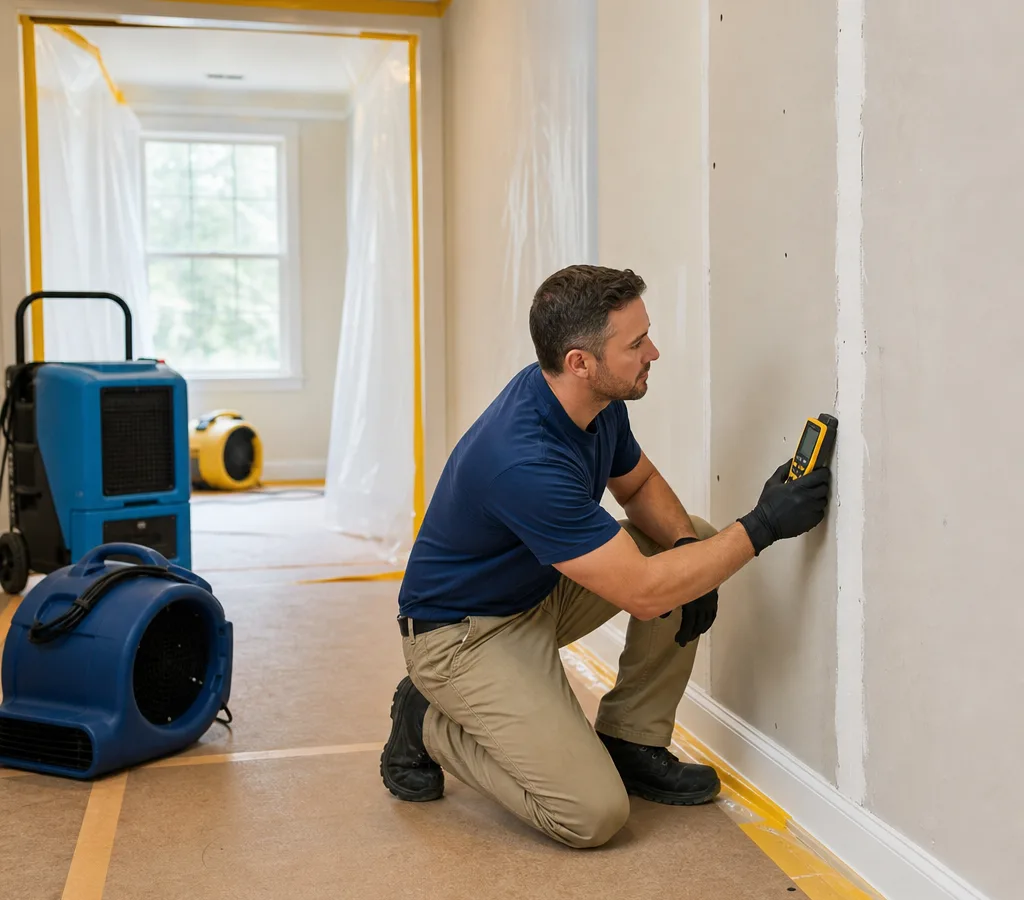
Water damage repair in Charlotte, North Carolina
Fast, careful restoration for homes and businesses after leaks, burst pipes, appliance failures, or stormwater. We document what we find, dry the structure properly, and repair what water damaged so you can get back to normal.
Drying through reconstruction
If you are searching for water damage repair Charlotte NC, you usually need more than a few fans. A real repair plan starts with stopping the source of water—or confirming it is stopped—then removing damaged materials, drying the structure to verified targets, and rebuilding the affected surfaces. Repairs are the last stage after drying, and they connect directly to our mold removal service in Charlotte.
We handle both the restoration side and the repair side: extracting water, controlled demolition when needed, structural drying, odor control, and repairs such as drywall replacement, baseboards, trim, flooring transitions, and paint-ready finishes. For many properties, the difference between a quick cosmetic fix and a durable repair is moisture verification. We use moisture meters and thermal imaging checks to find wet areas that are not obvious on the surface.
In Charlotte, water damage often shows up in crawlspace-adjacent rooms, finished basements, and first-floor areas where a supply line or water heater leak can travel under floors before it is noticed. The goal is to dry and repair the full footprint of the loss, not just what looks stained.
Careful restoration standards
We walk the affected areas with you, explain what needs to be removed versus dried in place, and put the plan in writing so there's no confusion about what gets repaired.
We record moisture readings and track drying progress so repairs are based on measured conditions, not guesswork.
When demolition is necessary, we use containment and floor protection to keep the rest of the home livable and reduce cleanup time.
We set up air movement and dehumidification to dry efficiently without overheating rooms or forcing water deeper into assemblies.
From texture and trim profiles to paint prep and flooring transitions, we focus on repairs that blend in and hold up.
Measured drying and careful repairs
Water damage spreads fast, but good repairs are methodical. Here's how we typically run a project in Charlotte.
First, we inspect the loss area, identify affected materials, and map moisture. If water is still present, we extract it and remove unsalvageable materials like swollen baseboards, delaminated flooring, or wet insulation that cannot dry properly in place.
Next comes structural drying. We position air movers and dehumidifiers based on the layout and the materials involved, then monitor moisture content over multiple checks. Drying is considered complete when readings stabilize at appropriate levels for the material and location.
Finally, we move into repairs: rebuilding removed sections, preparing surfaces, and restoring the room so it is functional again. If there is a risk of microbial growth because materials stayed wet, we address that during the mitigation phase before closing anything back up. If you are also comparing help for odor or suspected microbial issues, our team at Mold Removal Charlotte NC can walk you through what to test, what to remove, and what can be cleaned safely as part of the same restoration plan.
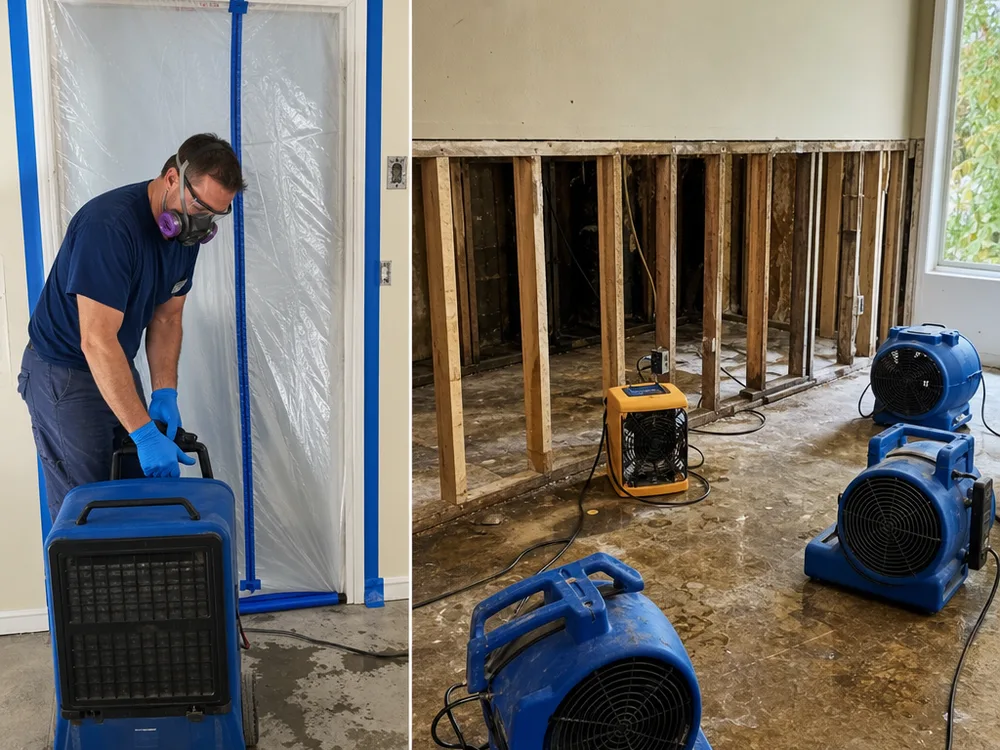
Inspection through final walkthrough
We examine the visible damage, check adjacent rooms, and take moisture readings so the full affected area is identified early.
If conditions allow, we start extraction and set temporary protections. When materials are beyond salvage, we remove them in a controlled way to open up wet assemblies.
We set drying equipment, then return for progress checks and adjustments until readings show the structure is dry.
We replace removed materials, restore surfaces, and complete the repairs needed to make the space usable again.
We review the repaired areas with you, answer questions, and confirm the scope is complete before we demobilize.
Pricing factors
Water damage repair in Charlotte typically ranges from about $1,200 to $6,500+ for common residential losses, with small, contained issues like a localized supply-line leak on the lower end and multi-room drying plus rebuild work on the higher end. Projects involving flooring removal, insulation replacement, cabinet toe-kicks, or multiple affected levels can run higher.
Final price depends on the category of water, how long materials stayed wet, how far water traveled, the amount of demolition needed to dry safely, equipment days, and the rebuild scope. The exact cost is confirmed after an on-site inspection and moisture mapping.
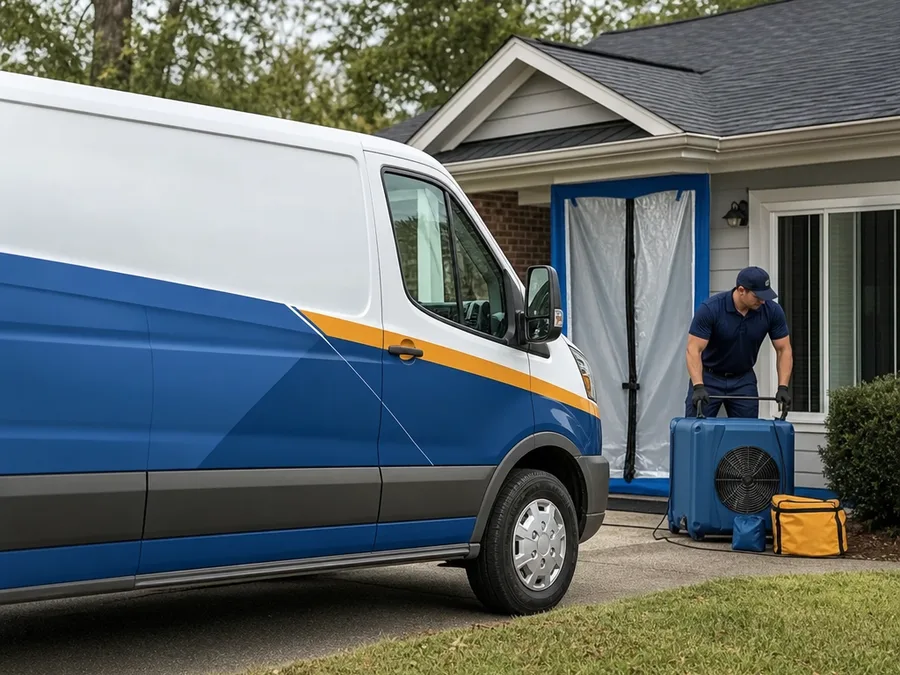
From wet materials to finished repairs
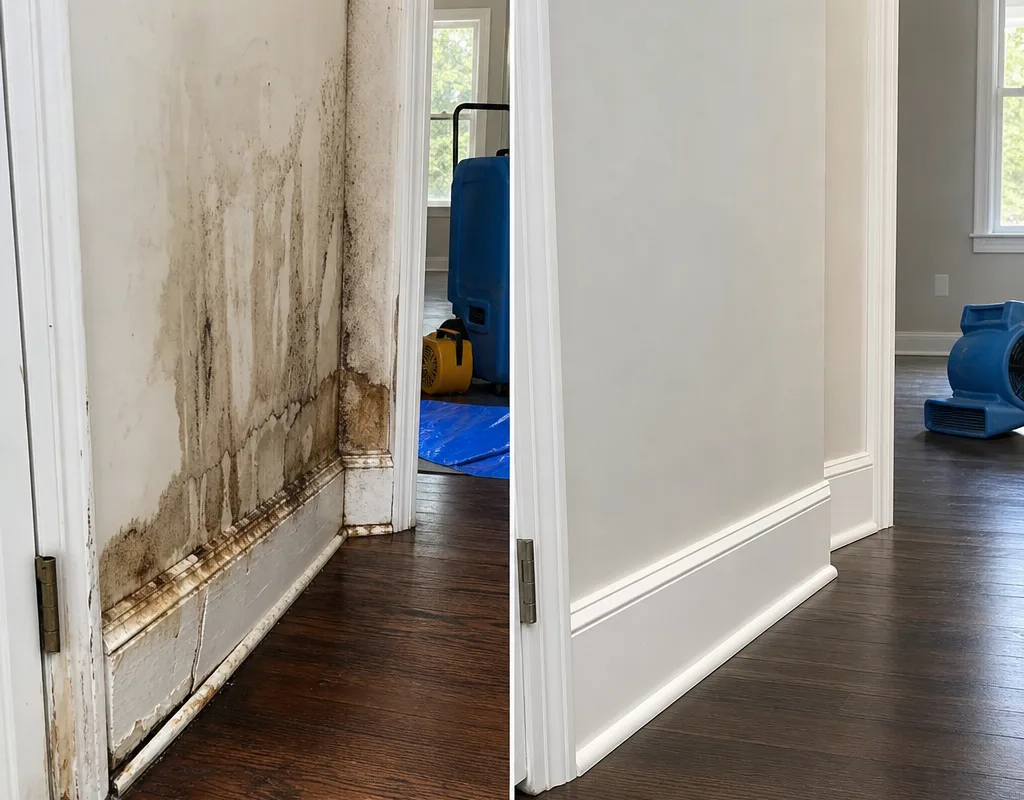
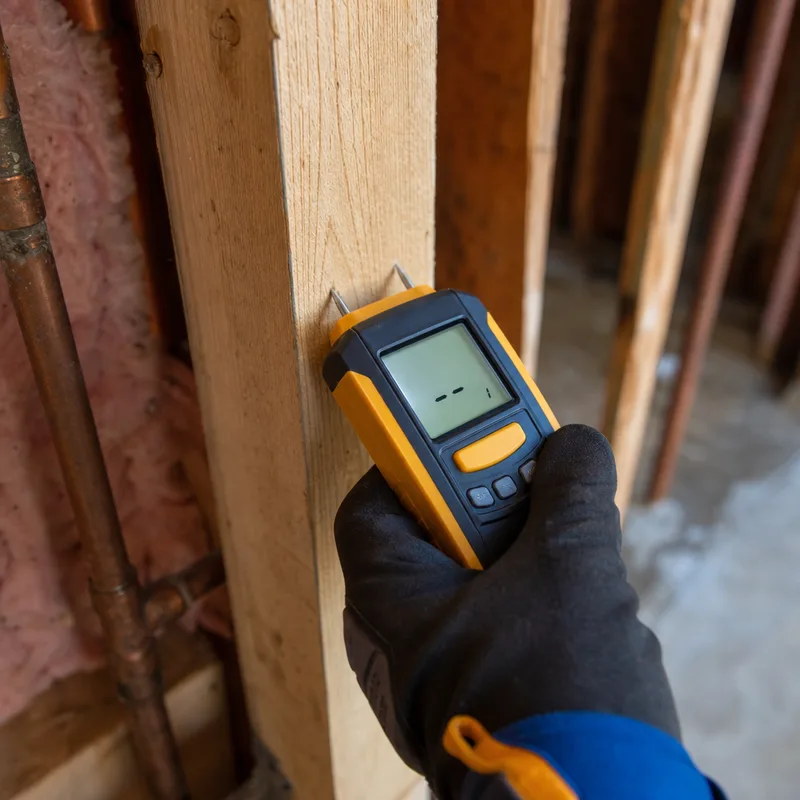
Answers before restoration begins
Water damage repair should start as soon as the water source is stopped because porous materials can begin to swell, stain, and support microbial growth within a day or two. Even if things look dry on top, water can sit under flooring, behind baseboards, and in wall cavities, which is why an inspection with moisture readings matters early.
Sometimes, yes, but only when moisture readings show the drywall and the cavity behind it are dry or can be dried effectively without trapping moisture. If the drywall is saturated, the insulation is wet, or water wicked upward, removing a controlled section is often the safest way to dry the assembly and prevent future odor or deterioration.
Soft or cupping floors, bubbling paint, baseboards pulling away, musty odor, and unexplained humidity in one room are common signs. In many Charlotte homes, water can migrate under LVP or hardwood and show up as a problem at thresholds or along exterior walls, so a moisture map can confirm the footprint before repairs begin.
Yes. We manage the project from mitigation through repairs so you are not coordinating one team for drying and another for reconstruction. That includes removal of damaged materials when needed, structural drying with monitoring, and repair work like drywall, trim, and finish restoration based on the agreed scope.
Coverage depends on the cause of loss and the policy language, but many policies cover sudden and accidental events like a burst supply line, while excluding long-term seepage or maintenance issues. We can provide photos and drying documentation to support the claim process, and we keep the work focused on what is necessary to restore the affected area.
Drying commonly takes several days, and the total timeline depends on how much demolition and rebuild work is required. A small, contained loss might be dried and repaired quickly, while a multi-room issue involving flooring, cabinets, or multiple trades can take longer because materials need to be fully dry before reconstruction starts.
Tell us what happened and what areas were affected. We'll schedule an on-site inspection, map moisture, and outline the drying and repair steps so you know exactly what it will take to restore your Charlotte property.