Clear, photo-supported documentation
We document what we see and where we see it, so you have something concrete to share with a landlord, buyer, seller, or contractor.
Serving Charlotte, North Carolina & surrounding areas
24/7 Emergency Response
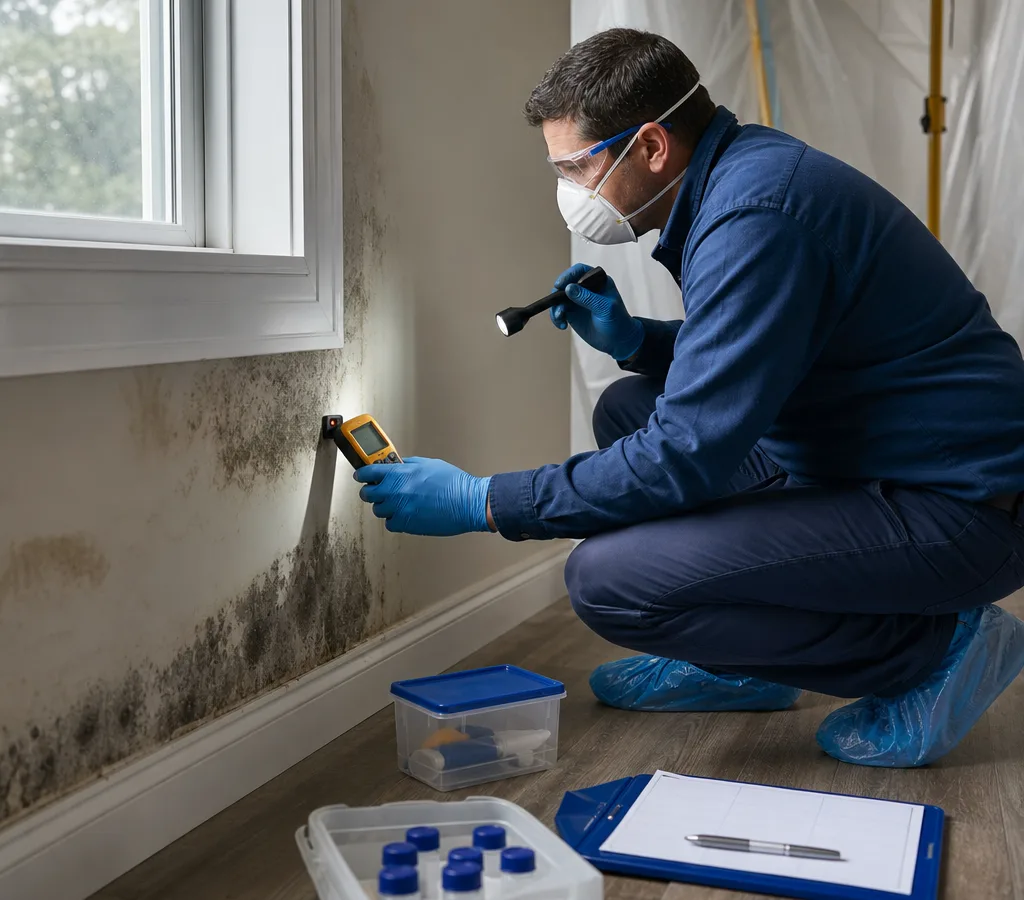
Mold inspection in Charlotte, North Carolina
Get clear answers fast with a careful on-site assessment, lab-ready sampling when needed, and a written report that explains what was found, where it likely came from, and what to do next.
Move from worry to facts
If you can smell a musty odor, see discoloration on drywall or trim, or have had a leak or overflow, an inspection is the quickest way to move from worry to facts. A proper mold inspection Charlotte NC homeowners can trust focuses on moisture first, because mold follows water. That means checking the most common problem zones: around windows and exterior doors, under sinks, behind toilets, at HVAC returns, in crawl spaces, and anywhere past water events. An inspection is usually where a job begins; the rest of our mold removal work in Charlotte follows from what it finds.
In Charlotte, humidity and frequent summer storms can keep building materials damp long enough for growth to start, especially in shaded areas, basements, and vented crawl spaces. Homes with older windows, worn caulk lines, or past roof repairs also benefit from a targeted inspection because small intrusions can stay hidden inside wall cavities.
You may want an inspection if:
If you already know there is mold and you need removal work, start with a documented inspection and plan. It helps scope the right level of containment, cleaning, and repairs, and it reduces the chance of missing the real moisture source.
Evidence-led assessment
A thorough inspection is part building science, part detective work. The goal is to identify visible growth, likely hidden growth, and the conditions that allowed it.
Typical steps during a mold inspection include:
If you are trying to decide between cleaning, partial removal, or a more controlled remediation approach, inspection results help you choose the least disruptive option that still solves the problem.
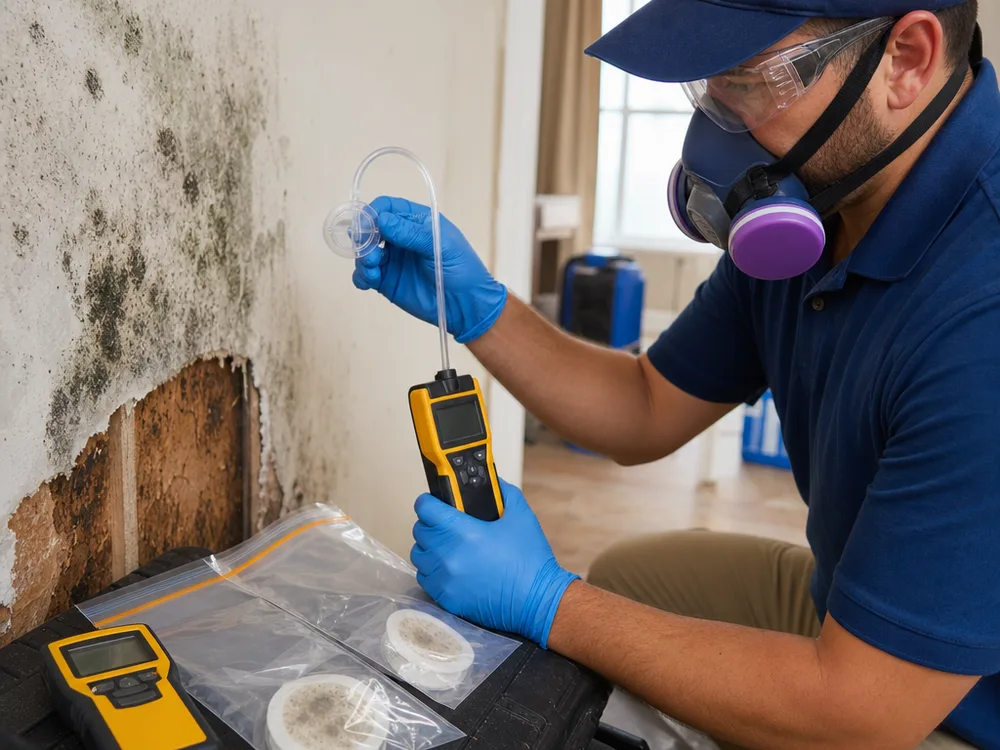
Practical inspection deliverables
We document what we see and where we see it, so you have something concrete to share with a landlord, buyer, seller, or contractor.
We look for the water source and contributing conditions, not just the staining, because lasting results depend on drying and repairs.
Air or surface sampling is used strategically when it will change the decision you make, not as a one-size-fits-all add-on.
You get a practical plan: what to address immediately, what can wait, and what questions to ask before any work begins.
We inspect single-family homes, condos, rentals, offices, and light commercial spaces where occupants need fast clarity.
From first concern to a clear plan
We confirm the property type, symptoms (odor, staining, past leak), and any areas you want prioritized so the visit is focused.
We inspect the reported areas and connected building systems, checking materials, ventilation, and moisture levels to identify likely drivers.
If sampling is appropriate, we collect air and/or surface samples using standard methods and label locations clearly for interpretation.
You receive a written summary of findings, supporting photos where helpful, and recommended next steps, including containment considerations when removal is warranted.
If you want help after the inspection, we can explain options for repairs and, when appropriate, connect the inspection findings to a safe work plan. Many clients start by reviewing our approach to mold removal so expectations are clear before any disruption begins.
Inspection pricing factors
Most mold inspection visits in Charlotte typically range from about $250 to $650, with more complex properties (larger square footage, multiple suspect areas, or crawl space and attic evaluation) sometimes running $700 to $1,200+. If sampling is needed, costs commonly increase based on the number and type of samples and lab fees.
Price depends on the size of the building, ease of access (tight crawl spaces take longer), how many areas need moisture mapping, and whether you need formal documentation for a transaction. Exact pricing is confirmed when the inspection scope is set and the visit is scheduled.
Answers before your appointment
Scheduling often depends on current demand, but many inspections can be booked within a few days, and urgent situations may be able to be fit in sooner. The fastest way to get an accurate appointment window is to share the property type (home, condo, office), the areas of concern, and whether you need crawl space or attic access.
No. Air sampling is useful when it will answer a specific question, like confirming suspected hidden growth or comparing an affected area to a control area, but visible growth plus elevated moisture can already justify corrective action. A good inspection chooses testing based on the decision you need to make, not as a default.
In many cases, yes. A proper inspection focuses on moisture mapping, building envelope clues, and plumbing and HVAC-related conditions to identify the likely source, such as a slow supply-line leak, shower pan failure, window intrusion, or crawl space humidity. If the source cannot be confirmed visually, the report should still narrow it to the most likely pathways and outline what to investigate next.
Keep things as normal as possible for 24 to 48 hours beforehand: avoid heavy cleaning with bleach or strong antimicrobials in the suspect area and do not run large air purifiers right before the visit if sampling might be considered. Make sure the inspector can access key areas like under sinks, the HVAC closet, attic pull-downs, and crawl space entries if they apply to your property.
Yes, crawl spaces are a common focus because moisture and ventilation conditions down there can affect the whole house. If your home has a tight or low-clearance crawl space, let us know when scheduling so adequate time and the right protective equipment are planned for the visit.
Yes. A written report is typically the deliverable for a mold inspection, with documented observations, moisture findings, and recommended next steps. If you are in the middle of a real estate timeline, mention your due diligence or closing date when you request the appointment so reporting needs and timing are aligned.
Yes, we can explain what the findings mean and what a reasonable next step looks like, including when removal work should use containment and negative air. If you decide to proceed beyond inspection, Charlotte Mold Removal can also discuss remediation planning and what to expect during mold removal in Charlotte.
Tell us what you are noticing and where. We will schedule an on-site mold inspection and provide straightforward guidance you can use to plan repairs, protect indoor air quality, and document the issue properly.