Moisture source clues
We document likely moisture contributors such as past plumbing leaks, condensation at supply boots, damp crawl space conditions, or water intrusion around windows, then note where confirmation is needed.
Serving Charlotte, North Carolina & surrounding areas
24/7 Emergency Response
Mold testing in Charlotte, North Carolina
If you smell something musty, see staining, or have health concerns, testing is the fastest way to replace guesses with lab-backed answers and a clear plan for what to do next.
When testing provides clarity
Searching for mold testing Charlotte NC usually means you want certainty: Is it mold? Is it active? Is it likely affecting indoor air? A proper inspection and sampling strategy can answer those questions without turning your home into a construction project. If testing confirms active growth, the next step is removal, and the full Charlotte mold removal service explains what that involves.
In Charlotte, moisture issues often show up around basements and crawl spaces after heavy rain, around HVAC air handlers and condensate lines during long cooling seasons, and behind finishes after small plumbing leaks that went unnoticed. Testing is especially useful when:
Charlotte Mold Removal provides mold testing and inspection services for residential properties across Charlotte, including homes and condos where access, ventilation design, and shared walls can change how moisture and air movement behave.
Inspection-led sampling
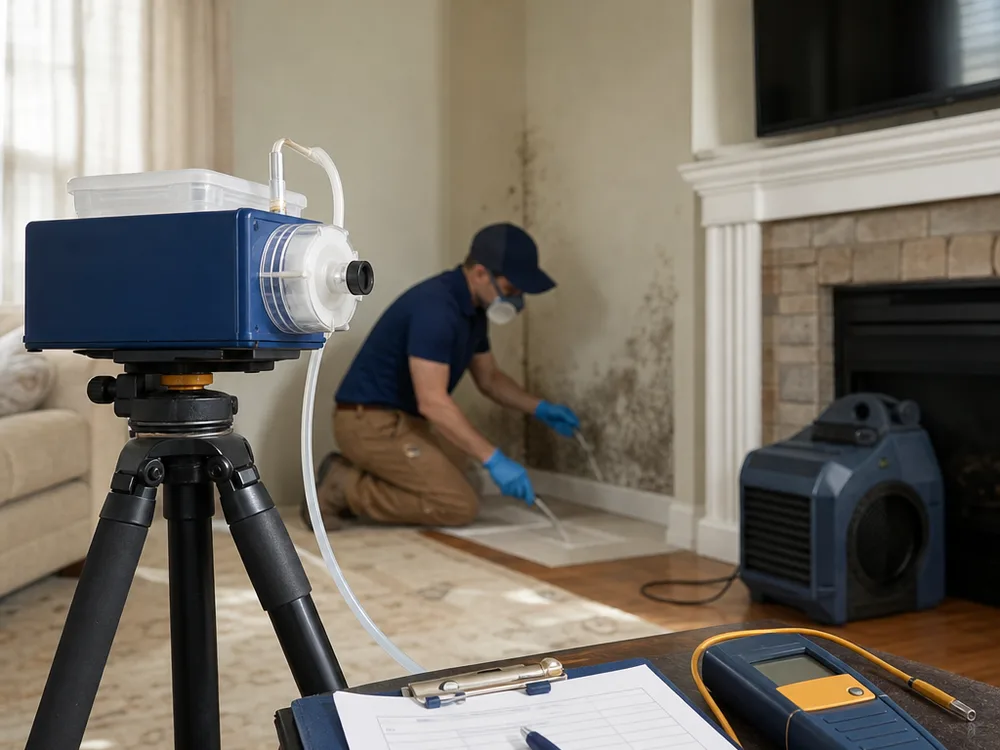
Good testing starts with a building-science inspection, not a random sample. We look for moisture sources, air pathways, and materials that hold water, including drywall paper, insulation, carpet pad, and framing. Then we recommend the right sampling types based on what we find.
Common sample types include:
What to avoid: Over-the-counter kits and one-sample quick checks often miss the real problem. Mold can be hidden, intermittent, or influenced by HVAC runtime and weather. A professional plan connects sample results to what is happening in the building so the report leads to practical next steps.
If your goal is to decide whether remediation is needed, start with an inspection and testing plan that can support that decision. If cleanup is already necessary, a written mold-removal scope should be based on the actual conditions rather than fear or guesswork.
Useful findings, not isolated numbers
We document likely moisture contributors such as past plumbing leaks, condensation at supply boots, damp crawl space conditions, or water intrusion around windows, then note where confirmation is needed.
Samples are selected for the question you are trying to answer: baseline screening, a specific room concern, or documentation tied to a visible area.
Samples go to an accredited lab for analysis so you have an objective result rather than an opinion based on color or smell.
Results mean more when tied to the building, including HVAC returns, pressure differences, recent construction, and known water events.
Your report explains what the results suggest and what to do next, whether that is drying, targeted repair, cleaning, or additional investigation.
Inspection through recommendations
We ask what you are noticing, which rooms are affected, and whether there is a real estate deadline so the visit is planned around your goals.
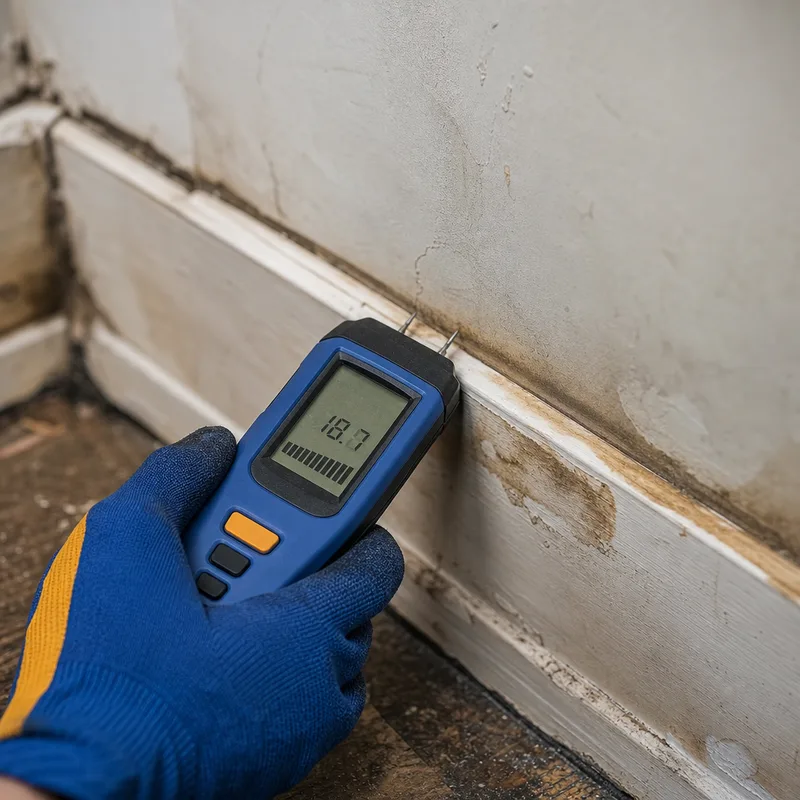
We inspect the areas of concern and likely source zones, including attic access, crawl space entry, bathrooms, laundry areas, and HVAC equipment. Moisture readings guide sampling where appropriate.
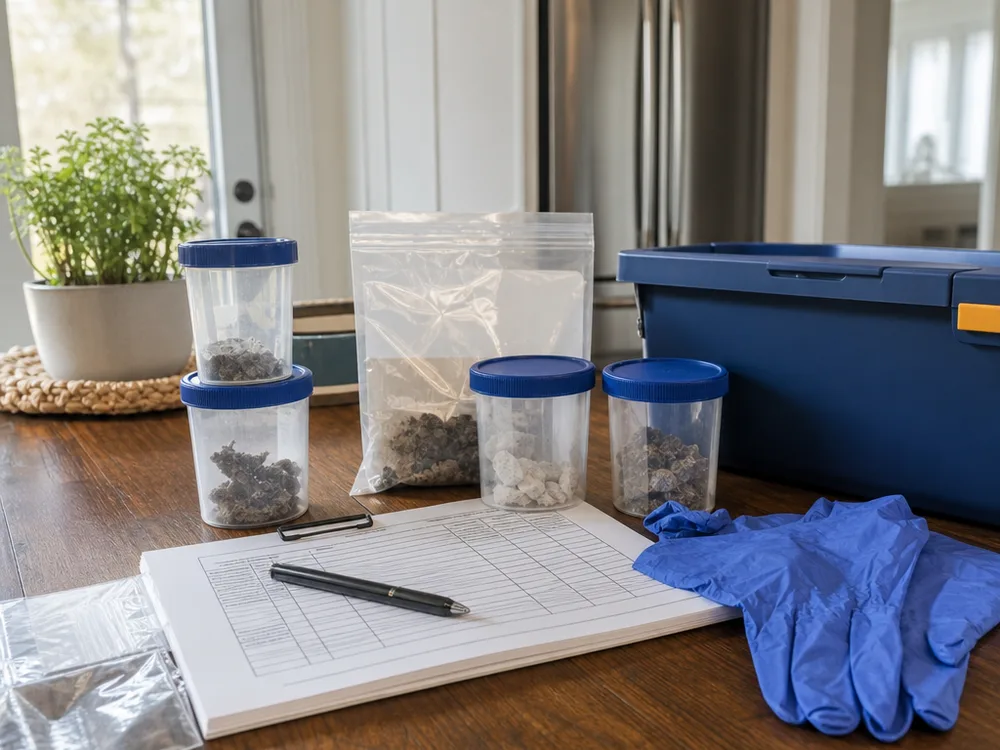
If sampling is warranted, we collect air and/or surface samples in the right locations, label and document each sample, and maintain chain-of-custody for the lab.
Samples are analyzed by a qualified laboratory. Turnaround depends on the lab and workload, but many reports are delivered within a few business days once the lab receives the samples.
You receive a written report that explains findings in plain language and outlines practical next steps, including when further investigation or corrective work is recommended.
Pricing factors
Mold testing in Charlotte typically ranges from about $250 to $750, depending on how many areas are sampled and whether you need air sampling, surface samples, or both. A simple inspection with one or two samples is often at the lower end, while larger homes, multiple rooms, or real estate documentation needs can push costs higher.
Your final price depends on the number of samples, accessibility such as crawl space or attic entry, how targeted the investigation needs to be, and lab fees and turnaround time. Exact cost is confirmed after the on-site inspection and a sampling plan is agreed on.
Answers before your appointment
Most on-site mold inspections and sampling appointments take about 60 to 120 minutes, depending on the home size and how many areas you want checked. Lab turnaround varies, but many results come back within a few business days after the lab receives the samples, followed by your written report.
If you have visible growth, testing is most useful when you need identification for documentation, want to confirm whether staining is actually mold, or are trying to determine how widespread conditions are. If the priority is stopping growth, the first step is still finding and fixing the moisture source; testing does not replace drying and repairs.
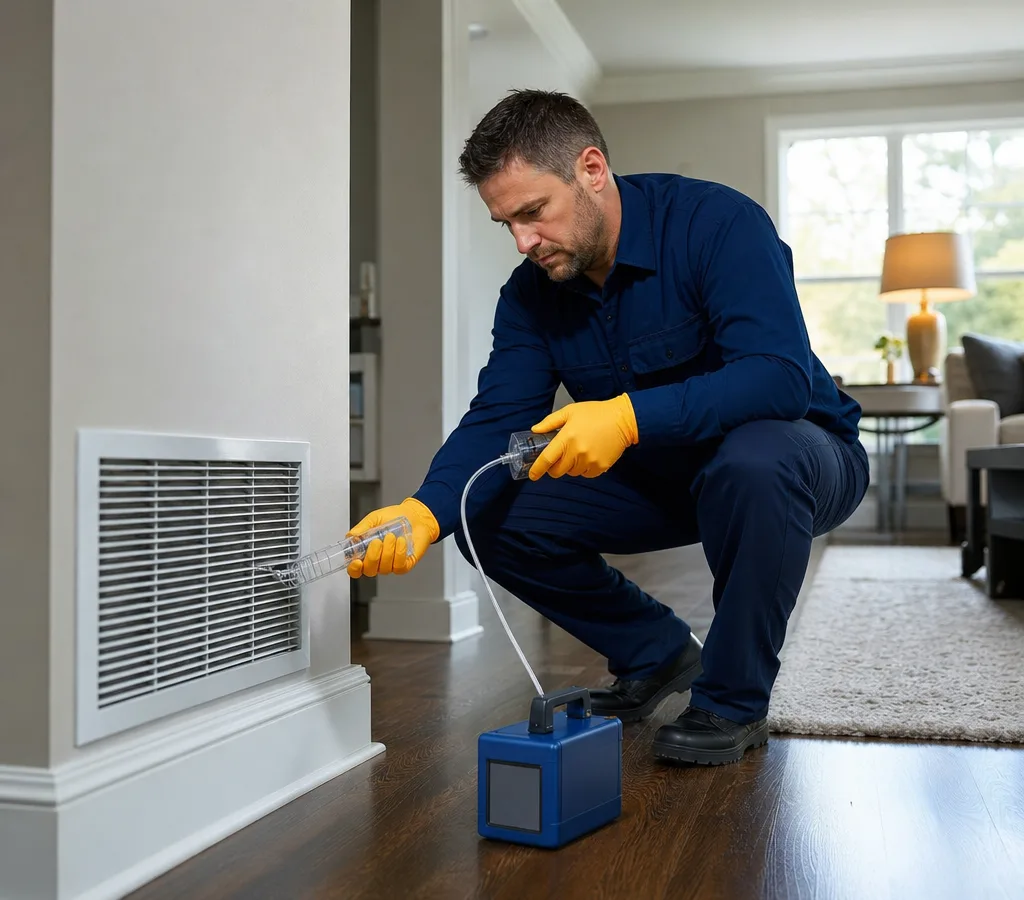
Air sampling measures the types and amounts of spores in the air at the time of sampling and is interpreted by comparing indoor samples to an outdoor reference. Surface sampling identifies what is on a visible spot or suspect surface, which is useful for documentation and targeted decisions about cleaning or material removal.
Yes, in most cases you can remain home during the visit because sampling is non-destructive and does not involve demolition. If there is a strong odor, extensive visible growth, or you have specific health concerns, we will talk through reasonable precautions during and after the appointment.
Testing supports the diagnosis, but the source is identified through inspection and moisture investigation. A report typically ties results to likely moisture causes such as past leaks, condensation, or water intrusion, and outlines additional steps if the source remains uncertain.
Yes, mold testing is commonly requested during buying and selling when a home has prior water damage, a musty odor, or visible staining. We can document observations, sample locations, and lab results in a clear written report that is easier to share with agents, buyers, sellers, or property managers.
If you are deciding what to do about a musty smell, a past leak, or a visible spot, start with a professional inspection and a sampling plan that matches the question you need answered.
Call Now 980-249-9349Tell us what you are noticing and which areas concern you. We will schedule mold testing, send samples to the lab, and provide a detailed report with practical next steps for your Charlotte property.