Musty odor with no obvious source
Air and targeted surface sampling can help narrow down whether the odor likely relates to microbial growth, HVAC issues, or dust and debris trapped in a specific area.
Serving Charlotte, North Carolina & surrounding areas
24/7 Emergency Response
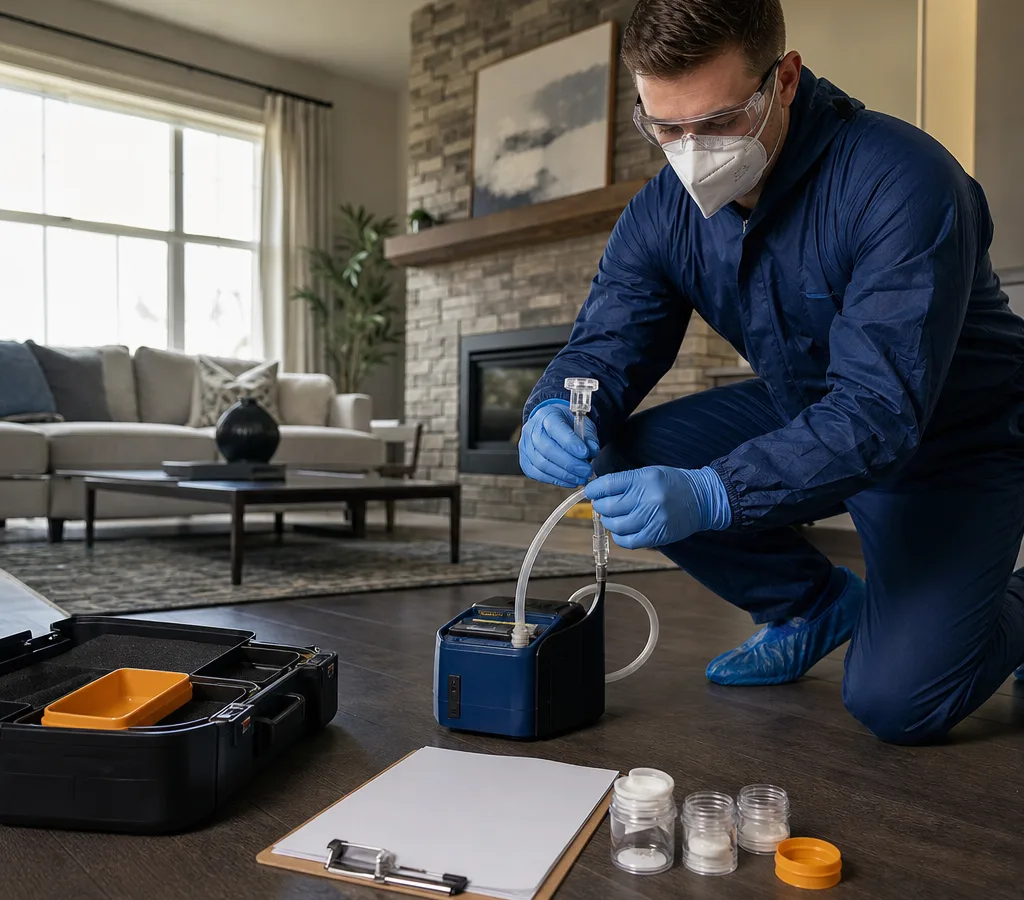
Indoor air quality testing in Charlotte, North Carolina
Fast, defensible indoor air sampling with clear results and practical next steps for healthier homes and workplaces across Charlotte.
Clear indoor-air findings
If you are searching for air quality testing Charlotte NC, you likely have a reason: persistent odors, visible spotting on surfaces, allergy-like symptoms indoors, a recent leak, or a real estate deadline. Indoor air problems can come from several sources at once, so the value of testing is clarity. You get measurable findings, documented sampling conditions, and a report you can actually use to decide what to do next. Air testing often sits alongside cleanup work, so it is worth reading how our Charlotte mold removal is carried out.
Charlotte Mold Removal performs indoor air quality testing in Charlotte for homes, rentals, and commercial spaces. Our focus is practical: collect valid samples, interpret them in plain language, and point you toward the next step that fits the situation, whether that is targeted cleaning, moisture correction, HVAC attention, or further inspection.
Because indoor air can change hour to hour, we also help you choose the right time to test. For example, if a musty smell shows up after storms or during humid stretches, that timing matters. Charlotte's warm months and frequent humidity can make moisture-driven issues more noticeable, and the sampling plan should reflect that.
Sampling and reporting
A good air test is more than placing a device in a room. Results only help when the sampling plan matches the question you are trying to answer.
Common sample types
What we document on-site
We record where samples are taken, including room and height, along with basic building conditions, recent activities that can skew results, and visible moisture indicators. That context is part of what makes the report useful.
How results are delivered
You receive a written report that ties the lab results to what we observed. We explain what the numbers mean for your space and what actions are reasonable based on the findings and your goals, including health concerns, a property sale, a tenant complaint, or post-repair verification.
When sampling adds clarity
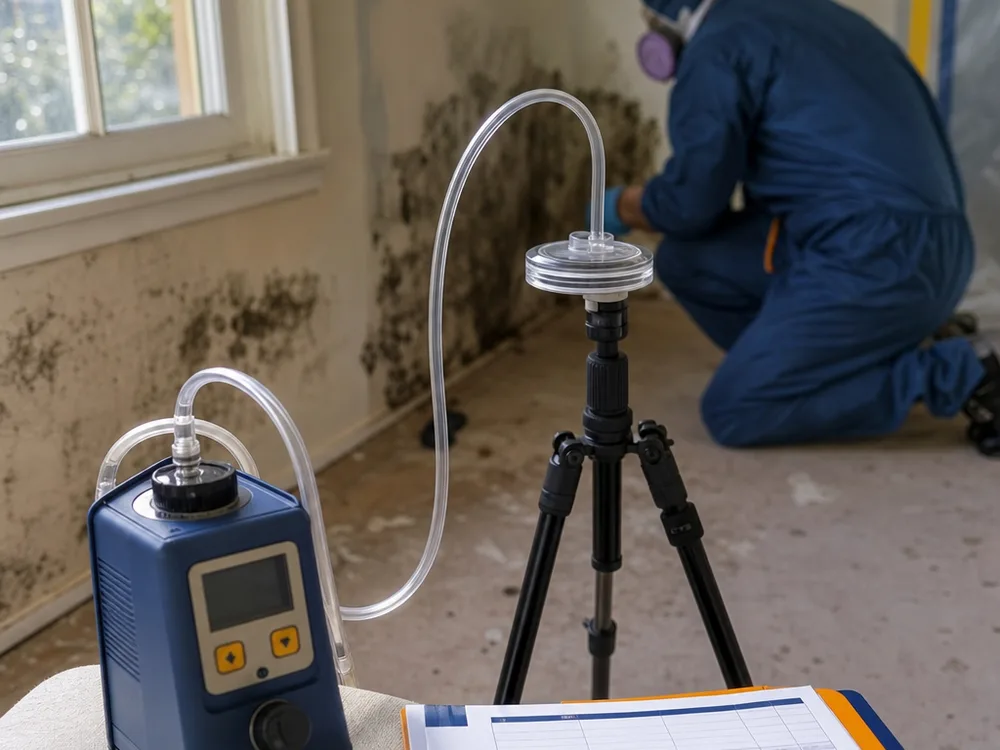
Air and targeted surface sampling can help narrow down whether the odor likely relates to microbial growth, HVAC issues, or dust and debris trapped in a specific area.
Testing can support decisions about drying, cleaning, and whether materials should be opened to check concealed cavities.
A dated report with sampling locations, lab analysis, and observations is useful when multiple parties need the same set of facts.
If someone in the home is reacting indoors, testing provides a clearer basis for next steps than trial-and-error changes.
When work has been completed, air sampling can help confirm whether airborne levels and indicators align with expected conditions for re-occupancy planning.
We ask what prompted the test—odor, symptoms, visible staining, a recent water event, or a deadline—and confirm which areas matter most so the sampling plan answers the right question.
We walk the space, note moisture clues, ventilation patterns, and potential contributors such as basements, crawl spaces, laundry areas, bathrooms, and return vents. Then we select sample types and locations, including an outdoor control.
We take air samples using calibrated flow rates and consistent placement, plus surface samples when needed. We document doors and windows, along with recent activities that affect indoor counts.
Samples go to an accredited lab for analysis. Once results return, we interpret them alongside what we observed, not as standalone numbers.
You receive a written summary with findings, what they likely indicate, and practical options. If more investigation is warranted, we explain what would be checked and why.
Sampling costs
Air quality testing in Charlotte typically runs about $250 to $650 for most residential situations, depending on how many samples are needed and whether surface sampling is included. A simple check with an outdoor control and 1 to 2 indoor samples is usually on the lower end, while larger homes, multi-level testing, or additional rooms increases cost.
Final pricing depends on sample count, access to areas such as attics and crawl spaces, turnaround time, and whether the goal is baseline screening or post-work verification. The exact cost is confirmed after the on-site sampling plan is set for your property.
Charlotte building conditions
Air testing is never one-size-fits-all, and Charlotte properties vary widely. The sampling plan should account for the building, recent conditions, and the specific concern.
Call Now 980-249-9349If test results suggest a likely microbial issue, the broader service mix matters. Understanding what a qualified mold-removal response includes can help you compare scopes and expectations without turning testing into a sales pitch.
Answers before sampling
Most homes start with an outdoor control plus 1 to 3 indoor air samples, placed in the areas that best represent the concern. If the issue is localized, sampling that area plus a main living area often provides a clearer comparison than spreading samples thin across many rooms.
In most cases, no. Sampling is non-invasive and usually takes place while the home is occupied, but we may ask you to avoid activities that skew results, like vacuuming, running air purifiers on high, or opening windows right before and during sampling.
Lab turnaround is commonly a few business days, and expedited options may be available depending on the sample type and lab capacity. We will confirm the expected turnaround at the time of sampling so you can plan around inspections, closing dates, or tenant timelines.
Air testing can strongly suggest whether an indoor source is present, but it does not automatically pinpoint the exact location. If results indicate an indoor source, the next step is typically targeted investigation based on building layout, moisture clues, and any surface findings rather than guessing from air numbers alone.
Keep conditions as normal as possible for 24 hours beforehand, and let us know about anything unusual such as recent water events, painting, heavy cleaning, or HVAC filter changes. If you run portable air cleaners, we may ask you to leave them off for a period before sampling so the results reflect typical occupancy conditions.
Yes. Offices, retail spaces, and small facilities often benefit from a targeted sampling plan that accounts for HVAC zones, occupant patterns, and any odor or comfort complaints. The most useful approach is usually comparative sampling between complaint areas and non-complaint areas, plus an outdoor control.
Share what you are noticing and where it is happening, and we will recommend a sampling plan that fits your space and your timeline. You will receive a written report with lab findings and straightforward next steps.