Clear written scope before work starts
You get a plain-language plan for what gets removed, what gets cleaned, and what conditions must be corrected to prevent regrowth.
Serving Charlotte, North Carolina & surrounding areas
24/7 Emergency Response
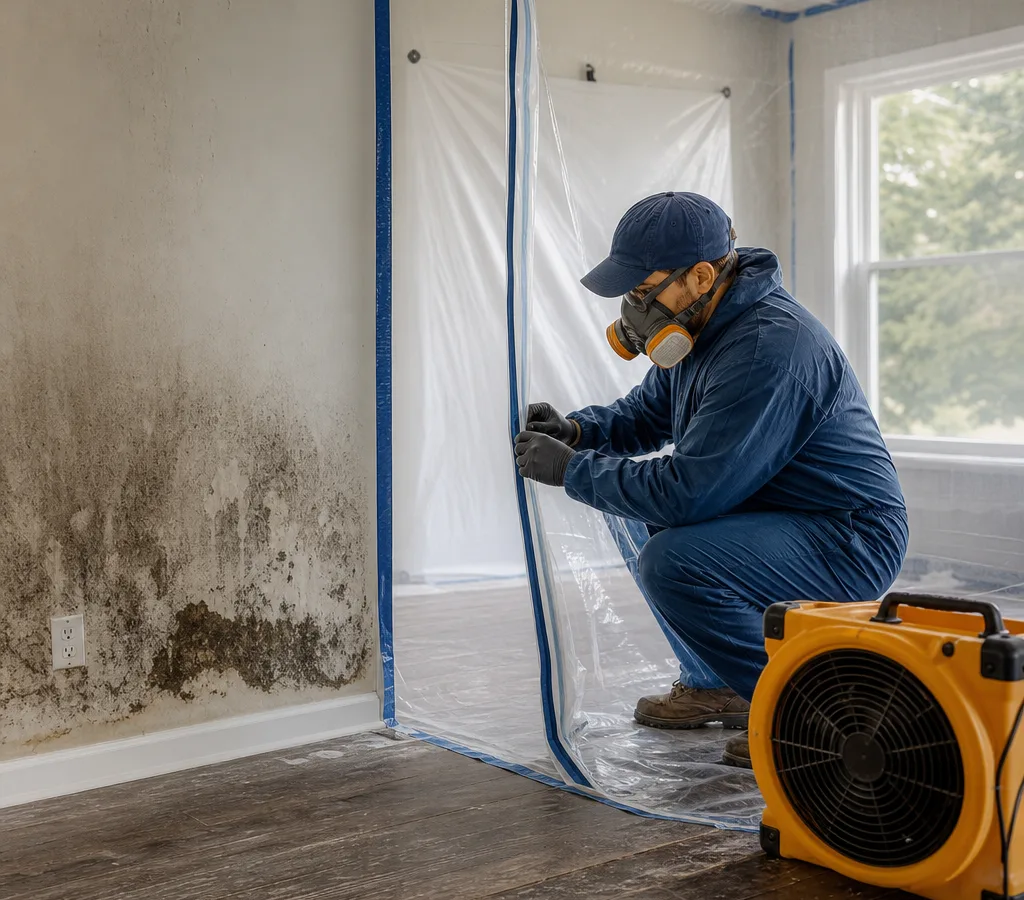
Mold remediation in Charlotte, North Carolina
If you smell a musty odor, see staining, or have had a leak, you need more than a wipe-down. We inspect, contain, remove contaminated materials, clean the air, and help prevent mold from coming back so you can get your space back to normal.
Controlled removal and cleanup
Mold remediation in Charlotte is the controlled process of removing mold growth and addressing the conditions that allowed it, not simply spraying a chemical and painting over stains. Done correctly, it limits cross-contamination to clean areas and reduces airborne spores during demolition and cleanup. Remediation is one part of the wider service: see how mold removal in Charlotte approaches mold work across the city.
A professional remediation typically includes:
What remediation usually does not include: rebuilding and finish carpentry after removal, or fixing the leak that caused the problem. We coordinate around those repairs, while remediation focuses on safe removal, cleaning, and prevention planning.
Protecting clean areas
Charlotte's humid months and frequent HVAC run-time can keep damp materials from drying quickly. When mold is disturbed, spores and fine debris can spread into return vents, closets, and soft goods. That is why a containment-first approach matters for both homes and commercial spaces.
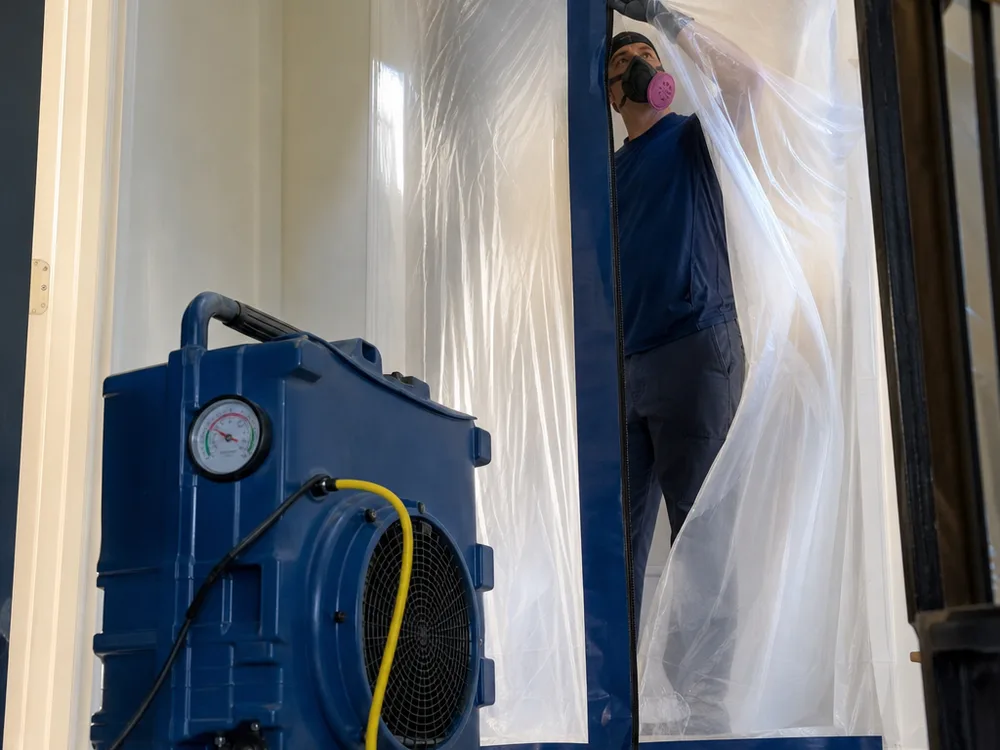
Our team uses practical, field-proven controls you can see:
Common hidden locations include behind baseboards after supply-line leaks, inside wall cavities after window intrusion, and in crawlspaces where damp soil and limited airflow keep framing and insulation wet. The goal is to remove contaminated material, clean what remains, and leave the area dry enough that mold cannot re-establish.
A practical remediation scope
You get a plain-language plan for what gets removed, what gets cleaned, and what conditions must be corrected to prevent regrowth.
We protect clean areas with containment, run HEPA filtration, and remove affected porous materials instead of hiding damage under paint.
HEPA vacuuming and damp wiping reduce leftover residue after demolition so the area is ready for repairs.
We look for the moisture driver, because mold follows water. If the leak, condensation, or humidity problem remains, mold often returns.
We plan around occupied homes, offices, and tenant spaces with practical staging and a focus on minimizing disruption.
We identify affected materials, check for visible and hidden growth, and review recent water events. You receive a written scope so expectations are set up front.
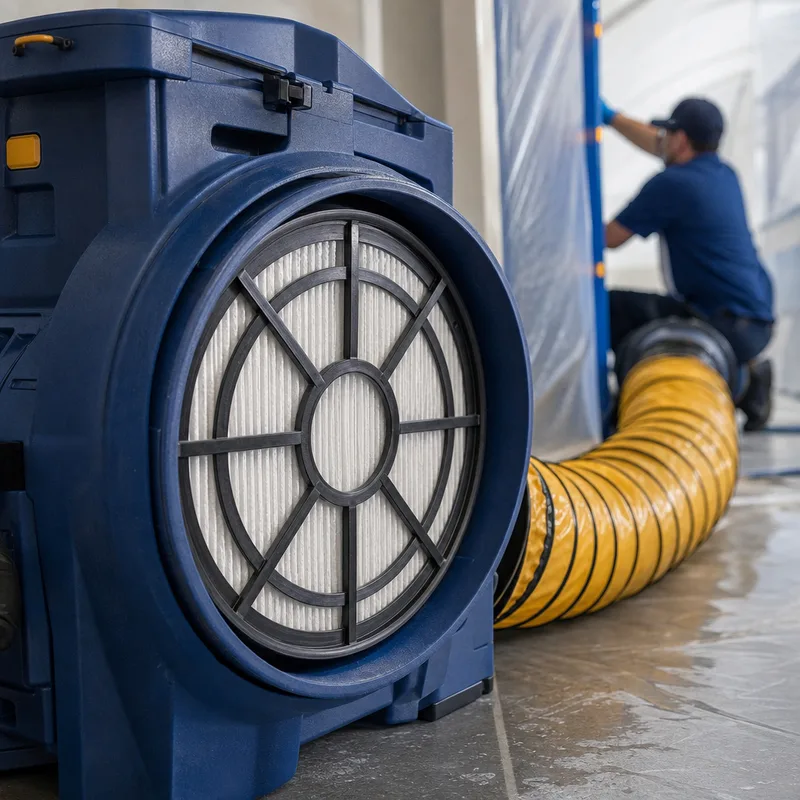
We isolate the area with poly sheeting and establish negative pressure using HEPA-filtered air movement to protect the rest of the property.
Drywall, insulation, carpet pad, and other porous items that cannot be reliably cleaned are removed and bagged out through the controlled exit.
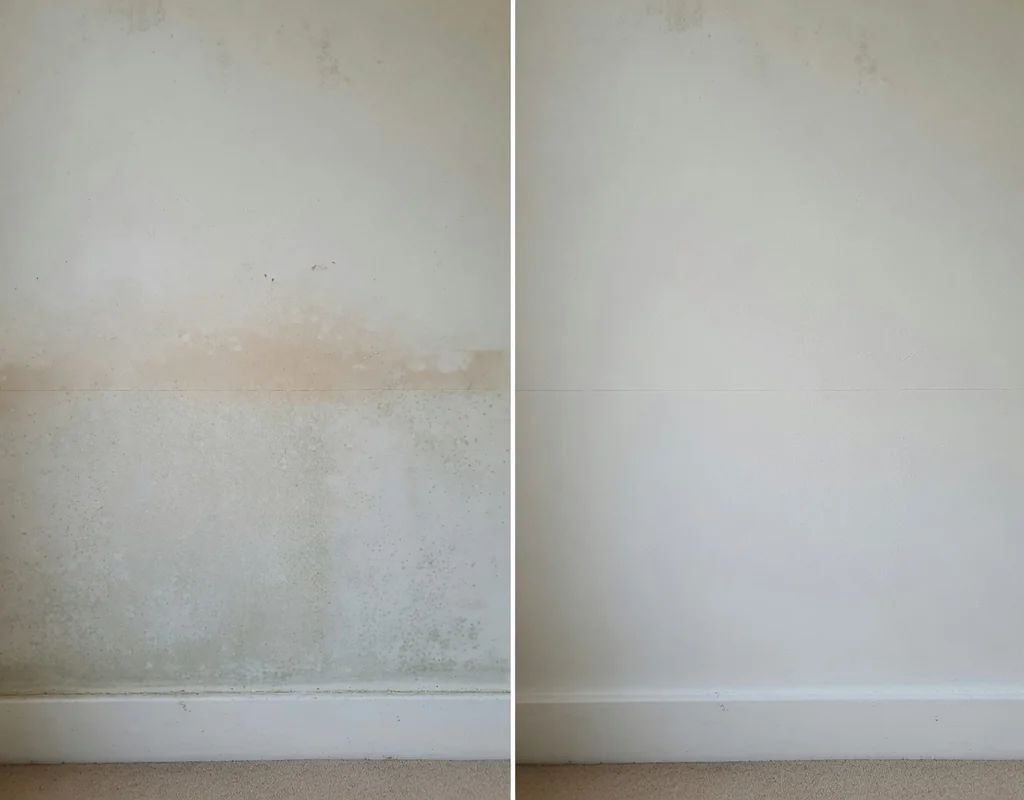
We HEPA vacuum and wipe remaining surfaces within containment. Cleaning focuses on removing growth and residue, not masking it.
We verify materials are drying and explain next steps such as correcting ventilation, managing crawlspace moisture, or addressing HVAC condensation.
Pricing factors
Mold remediation in Charlotte typically ranges from about $1,500 to $6,500+ for most residential jobs, depending on how far the growth spread and what materials must be removed. A small, contained area may fall closer to the low end, while multi-room demolition, crawlspace work, or heavy containment and filtration can push higher.
Final price depends on the square footage affected, accessibility, how many layers must be removed, whether HVAC returns are involved, and how wet the structure is. The exact cost is confirmed after the on-site inspection and written scope.
Inside a controlled work zone
Local housing conditions
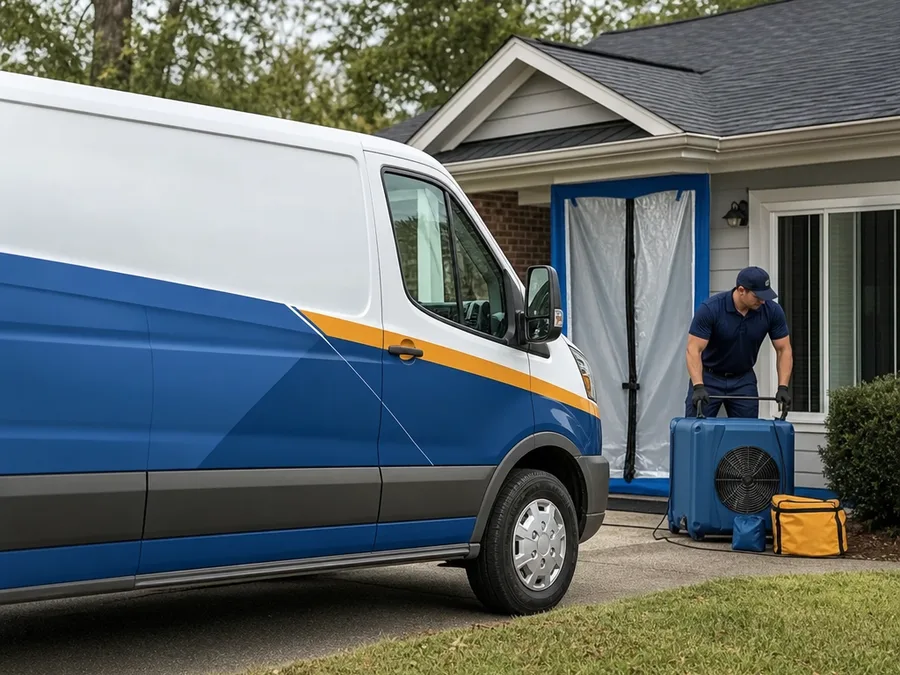
We serve homeowners and property managers across Charlotte, including older and newer construction where moisture shows up in different ways.
Call Now 980-249-9349If you are comparing providers, ask how they will contain the area, what materials they expect to remove, how they will clean remaining surfaces, and how the plan addresses the moisture source.
Answers before work begins
Many projects can be scheduled quickly once the scope is confirmed, but timing depends on moisture urgency and whether containment and equipment need staging. If active water is present, stopping the source and setting controls are the priorities.
Drywall is often removed when mold is on the backside, inside the wall cavity, or has contaminated the paper facing. Targeted cleaning may be appropriate for limited growth on a sound, non-porous surface, depending on the inspection.
It can be safe when the affected area is fully contained and negative air is running, but the answer depends on the work-zone location and occupants. Work near bedrooms or involving respiratory sensitivities may require alternate arrangements during demolition.
Mold usually returns when the underlying moisture problem remains, such as a plumbing leak, window intrusion, HVAC condensation, or high indoor humidity. Cleanup cannot hold if materials keep getting damp.
Yes. Crawlspaces often require tighter planning because of limited access, insulation debris, and damp soil. Work may include removing contaminated insulation or vapor-barrier material, cleaning accessible framing, and defining moisture-control steps.
Yes. You should expect a written scope defining the work area, containment approach, materials to be removed, cleaning steps, and pricing based on the on-site inspection.
Tell us what you are seeing and where it is happening. We will schedule an inspection, provide a written scope for remediation, and walk you through the next steps to keep the area dry and clean.